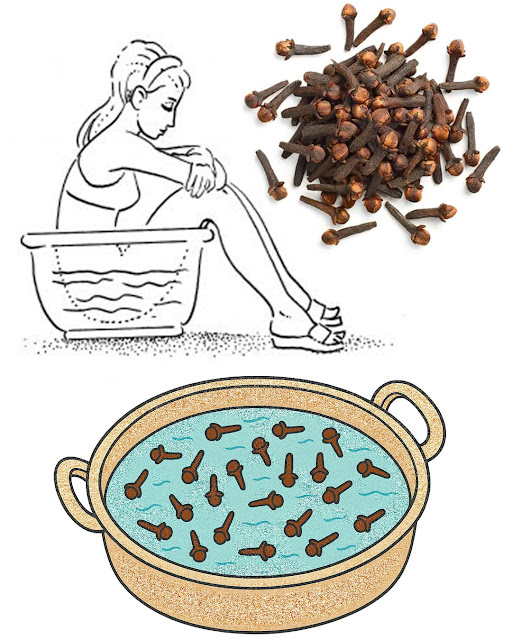
A sitz bath—a shallow, warm soak that cleanses and soothes the perineal area—is a time-honored remedy for postpartum recovery, hemorrhoids, menstrual discomfort, yeast infections, or general irritation. While plain warm water is often recommended, some women turn to natural additions like clove water for its reputed antimicrobial and soothing properties.
But is it safe? Effective? And how do you use it properly?
Here’s a gentle, evidence-informed guide to using clove water in sitz baths—with a focus on safety, balance, and self-care.
🔍 What Is Clove Water?
Clove water is made by steeping whole cloves (the dried flower buds of Syzygium aromaticum) in hot water. Cloves contain eugenol, a compound with:
Antimicrobial properties (may help fight bacteria and fungi)
Anti-inflammatory effects
Mild analgesic (pain-relieving) qualities
Traditionally used in Ayurvedic and folk medicine, clove is sometimes included in postpartum or feminine hygiene rituals.
✅ Potential Benefits of Clove Water in a Sitz Bath
When used diluted and occasionally, clove water may help:
SEE THE NEXT
Soothe minor irritation or itching
Support cleanliness during postpartum healing
Provide a gentle herbal cleanse (not a medical treatment)
🌿 Important: Clove water is not a cure for infections like yeast or BV—but it may offer comfort alongside medical care.
⚠️ Important Safety Considerations
1. Always Dilute Clove Water
Never use undiluted clove oil—it’s highly irritating to sensitive skin.
Never use clove essential oil in a sitz bath—too potent and can cause chemical burns.
Only use whole cloves steeped in water (like a tea), and strain thoroughly.
2. Patch Test First
Apply a small amount of cooled clove water to your inner arm. Wait 24 hours. If redness or itching occurs, do not use.
3. Avoid During Active Infections (Without Medical Advice)
If you have a diagnosed yeast infection, bacterial vaginosis, or open wounds, consult your healthcare provider before using herbal soaks. Some ingredients can disrupt pH or delay healing.
4. Use Sparingly
Limit clove sitz baths to 1–2 times per week. Daily use may disrupt the delicate vaginal microbiome.
🌸 How to Make a Gentle Clove Water Sitz Bath
Ingredients:
1 cup boiling water
3–5 whole cloves (not ground—harder to strain)
2–3 quarts clean, warm water (for the bath)
Instructions:
Steep the cloves: Pour boiling water over cloves. Cover and steep for 15–20 minutes.
Strain thoroughly: Use a fine-mesh sieve or cheesecloth—no clove particles should remain.
Cool to warm: Let clove tea cool to body temperature.
Prepare sitz bath: Fill basin or bathtub with 3–4 inches of clean, warm (not hot) water (around 100°F / 38°C).
Add clove water: Stir in the strained clove tea.
Soak: Sit for 10–15 minutes. Pat dry—do not rub.
Rinse with plain water afterward if desired.
💧 Alternative: Use plain warm water most days, and clove water only when extra soothing is needed.
🚫 When to Avoid Clove Sitz Baths
If you’re allergic to cloves or eugenol
During heavy postpartum bleeding (first few days)—stick to plain water
If you have broken skin, sores, or severe pain
If you’re pregnant (consult your OB before using herbal soaks)
💛 Gentler Alternatives for Sensitive Skin
If clove feels too strong, try:
Plain warm water (most recommended by OB-GYNs)
Chamomile tea sitz bath (calming, anti-inflammatory)
Baking soda bath (1–2 tbsp in warm water—soothes itching)
Epsom salt (2 tbsp—reduces swelling, but avoid if you have open wounds)
❤️ The Bottom Line
Clove water sitz baths can be a gentle, traditional comfort when used wisely and sparingly—but they’re not a substitute for medical care. Your vaginal area is self-cleaning, and over-washing or using strong herbs can do more harm than good.
When in doubt, less is more. Warm water alone is often the safest, most effective healer.
True feminine care isn’t about “cleansing” deeply—it’s about supporting your body’s natural wisdom with kindness, not interference. 🌿💧
Always consult your doctor or midwife before trying herbal remedies postpartum or during gynecological concerns. Your health is worth the extra conversation.
