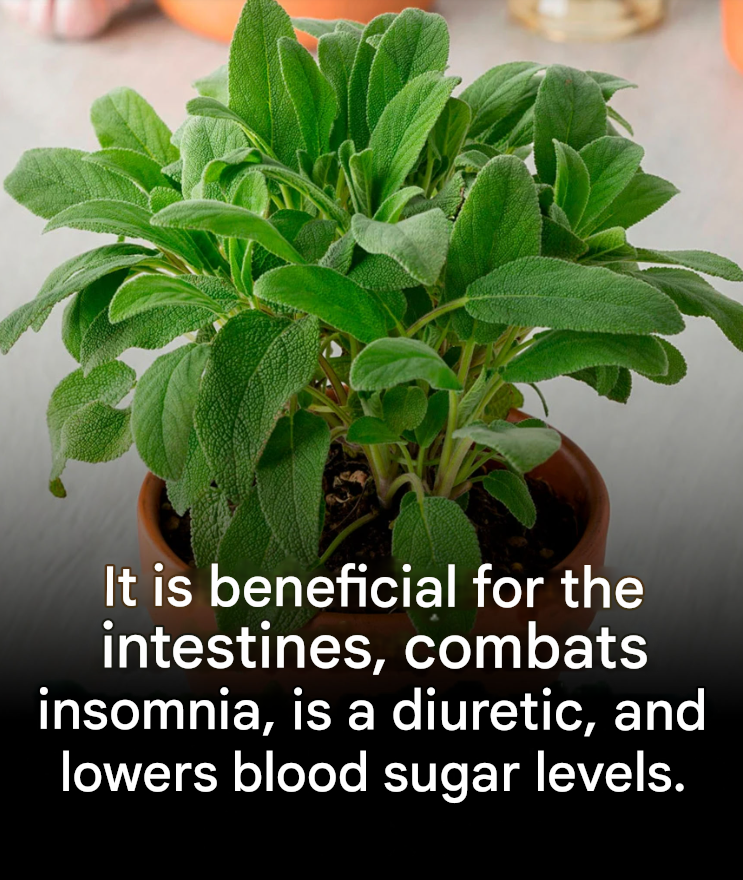
In our French kitchens, some herbs go almost unnoticed until we discover they make all the difference. Sage is one of them: a fragrance that transforms a simple dish into a fragrant recipe, a velvety texture that evokes the Mediterranean, and above all, the feeling that it soothes as much as it enchants. But why has this ancient plant endured through the centuries with such success? And how can it grace your everyday life without ever taking itself too seriously? Here’s everything you need to know… without falling for miraculous promises.
Sage in the kitchen: a fragrance that changes everything
You’ve probably already savored golden gnocchi with butter and sage or a roast chicken delicately flavored with its leaves. The most commonly used variety in cooking, common sage (Salvia officinalis), brings a warm and slightly woody aroma that instantly elevates even the simplest dishes. Fresh or dried, it’s used in small quantities: a touch is enough to transform a marinade, enhance vegetables, flavor a sauce, or give an unexpected twist to a Sunday omelet. A true aromatic treasure that deserves to be rediscovered.
Read more on the next page >>
For more detailed instructions, please click the button below (>) and follow us on Facebook.
A traditional plant associated with digestive comfort
Since antiquity, sage has been linked to the idea of comfort, calm, and inner balance. Added to evening herbal teas, it often aids digestion after a heavy meal.
It is also traditionally believed to support more harmonious intestinal transit, especially when consumed as a light infusion. Its slightly camphoraceous aroma provides a pleasant warming sensation, ideal for feeling lighter. Many add it to their homemade infusions, sometimes with a zest of lemon or a spoonful of honey for a cozy moment.
