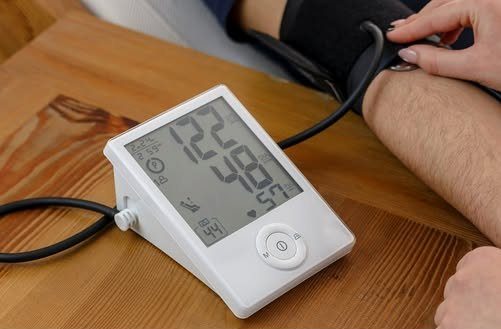
Blood Pressure: Should You Worry About a Reading of 135?
We’ve all experienced that little moment of tension when the blood pressure cuff tightens around our arm. The numbers appear… and suddenly, doubt creeps in.
But should you really worry if your reading shows 135? And is it normal for blood pressure to increase as we get older?
Good news: yes, blood pressure changes over time—and no, it’s not necessarily a problem. Let’s break it down clearly, calmly, and without unnecessary stress.
Understanding Blood Pressure: What the Numbers Really Mean
Think of blood pressure as a kind of weather report for your circulatory system. It reflects the force of blood pushing against the walls of your arteries and is measured using two numbers:
Systolic pressure (the first number): the pressure when the heart contracts and pumps blood.
Diastolic pressure (the second number): the pressure when the heart relaxes between beats.
You’ve probably heard the well-known reference value: 120/80 mmHg. While useful, this number isn’t an absolute rule. Age, lifestyle, stress, and overall health all influence blood pressure. So before jumping to conclusions, it’s important to look at the bigger picture.
Read more on the next page >>
For more detailed instructions, please click the button below (>) and follow us on Facebook.
Normal Blood Pressure: Helpful Guidelines by Age
As we age, our arteries naturally become a little less flexible. Because of this, a slight increase in blood pressure over the years is normal and often harmless.
Here’s a general guide to help you understand what’s typically considered normal:
Age Average Blood Pressure (mmHg)
18–29 years 115–120 / 75–80
30–39 years 120–125 / 78–82
40–49 years 125–130 / 80–85
50–59 years 130–135 / 80–86
60–69 years 135–140 / 85–88
70+ years Up to 140–145 / 85–90 (generally tolerated)
👉 These numbers are guidelines, not verdicts. Only a healthcare professional can provide a diagnosis tailored to your personal situation.
Read more on the next page >>
For more detailed instructions, please click the button below (>) and follow us on Facebook.
When Should You Be Concerned?
Blood pressure is usually considered high when readings consistently reach 140/90 mmHg or above.
On the other end of the spectrum, values below 90/60 mmHg indicate low blood pressure, which can also cause symptoms such as fatigue, dizziness, or faintness.
One important thing to remember: a single measurement doesn’t tell the whole story. Blood pressure fluctuates throughout the day. Stress, physical activity, or even a rushed appointment can temporarily raise it.
Occasional high readings? No need to panic.
Repeated high readings over time? That’s when it’s wise to consult your doctor.
Read more on the next page >>
For more detailed instructions, please click the button below (>) and follow us on Facebook.
Why Does Blood Pressure Increase with Age?
Imagine an old garden hose: over time, it becomes stiffer and less flexible. Our arteries behave in a similar way.
Arteries gradually lose elasticity
The heart has to work harder to push blood through them
The body regulates pressure less efficiently
As a result, slightly higher blood pressure after the age of 60 is often considered acceptable—as long as there are no additional risk factors and you feel well overall.
Read more on the next page >>
For more detailed instructions, please click the button below (>) and follow us on Facebook.
5 Simple Habits to Help Maintain Healthy Blood Pressure
You don’t need extreme measures to take care of your heart. Small, consistent habits can make a big difference:
Eat plenty of vegetables and reduce salt
Use herbs and spices to enhance flavor naturally.
Stay active
A brisk 30-minute walk each day already does wonders.
Prioritize quality sleep
Rest helps stabilize blood pressure and supports overall health.
Limit stimulants
Coffee, tea, and alcohol are fine—just in moderation.
Make blood pressure checks a habit
Monitor it regularly at home or at a pharmacy.
A small daily action can be a big step toward long-term well-being.
For more detailed instructions, please click the button below (>) and follow us on Facebook.
