HomeIf You Have These Two “Dimples” on Your Lower Back, Here’s What They Mean
If You Have These Two “Dimples” on Your Lower Back, Here’s What They Mean
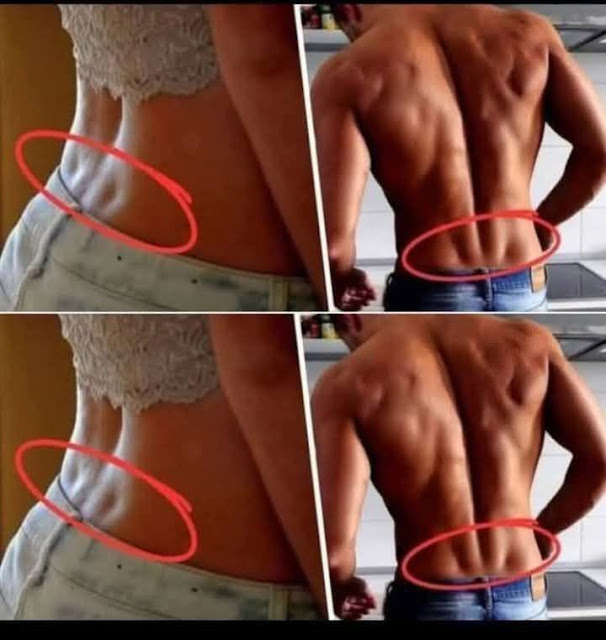
Those small, symmetrical indentations just above your buttocks—often called “dimples of Venus”—are more than just a charming aesthetic feature. While they’re commonly admired for their visual appeal (especially in art and fashion), they also have anatomical significance and, in some cases, subtle health implications.
What Are the “Dimples of Venus”?
Medically known as sacral dimples or posterior superior iliac spine (PSIS) dimples, these small indentations appear over the sacroiliac (SI) joints, where your pelvis connects to your lower spine. They’re caused by short ligaments that tether the skin to the underlying bone, creating a natural depression.
In women: Often more pronounced due to wider pelvises and differences in fat distribution.
In men: Sometimes called “Apollo’s dimples,” associated with muscular definition and V-shaped torsos.
What They Can Indicate (Mostly Harmless!)
✅ 1. Normal Anatomy
see the next
HomeIf You Have These Two “Dimples” on Your Lower Back, Here’s What They Mean
If You Have These Two “Dimples” on Your Lower Back, Here’s What They Mean
For most people, these dimples are purely cosmetic—a natural variation with no medical concern. They’re often more visible in people with lower body fat or well-toned glutes.
✅ 2. Landmark for Pelvic Alignment
Chiropractors, physical therapists, and yoga instructors often use these dimples to assess pelvic tilt and spinal alignment. If one dimple is higher than the other, it may suggest pelvic rotation or muscle imbalance.
⚠️ 3. Rarely: Underlying Spinal Issues (Only If Accompanied by Other Signs)
In infants, a deep, atypical sacral dimple (especially with hair, redness, or drainage) can sometimes signal a congenital spinal condition like spina bifida occulta or a tethered cord.
→ In adults, dimples alone are not a cause for concern—but if you also have:
Chronic lower back pain
Numbness/tingling in legs
Bladder/bowel changes
…see a doctor to rule out SI joint dysfunction or nerve issues.
Myth vs. Reality
❌ Myth: “Dimples of Venus mean you’re more fertile.”
→ Reality: Zero scientific link to fertility.
❌ Myth: “Only women have them.”
→ Reality: Men have them too—they’re just often less visible.
✅ Fact: They can be a marker of good posture and core strength when symmetrical and aligned.
Should You Worry?
Almost certainly not. If your dimples are:
Symmetrical
Present since adolescence
Not painful or changing
—then they’re simply a harmless, even attractive, quirk of your anatomy.
However, if you notice new dimpling, asymmetry, pain, or skin changes, mention it to your healthcare provider.
❤️ The Bottom Line
Your “dimples of Venus” are a beautiful blend of art and anatomy—a natural signature of your unique structure. While they’ve inspired poets and painters for centuries, medically, they’re usually just a sign that your body is doing exactly what it’s supposed to.
So embrace them—whether you’re wearing a swimsuit, a low-rise waistband, or just appreciating your own form in the mirror. After all, perfection isn’t smooth—it’s full of character. 💫
Advertisement
