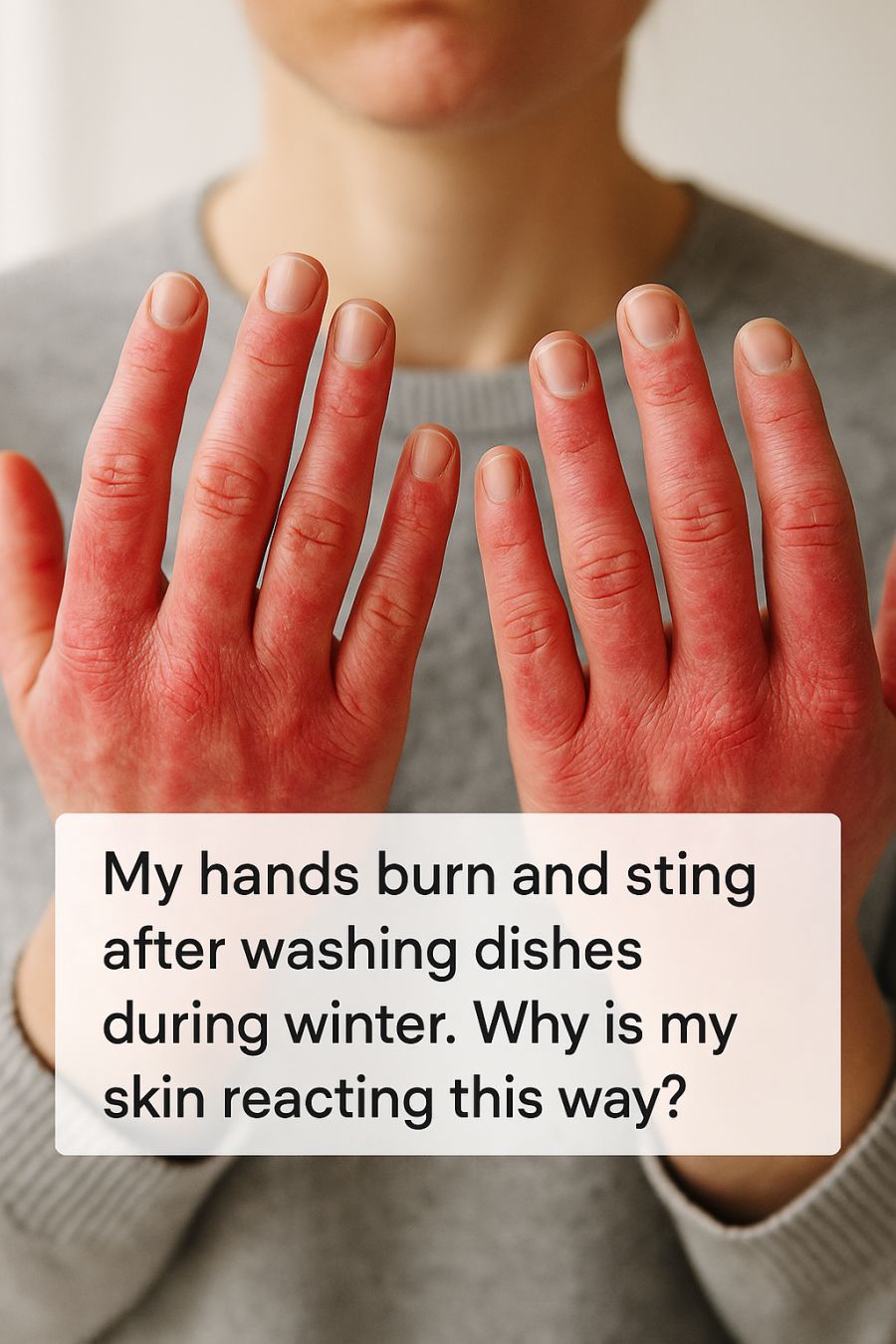
Winter can be particularly harsh on the skin, especially our hands, which are frequently exposed to extreme temperatures and irritants. For many, the simple act of washing dishes becomes a painful experience, as their hands burn and sting after being submerged in water. This discomfort is not only unpleasant but can also interfere with daily tasks and overall quality of life.
Understanding why this happens is the first step toward relief. The combination of cold weather, hot water, and harsh detergents creates a perfect storm for skin irritation. It is crucial to explore the underlying causes of this reaction to implement effective preventative measures and soothe already irritated skin.
Advertisement
1. How Winter Weather Primes Your Hands for Burning and Stinging
Winter air is notoriously dry, with humidity levels often dropping below 30%. This lack of moisture in the air strips the skin of its natural oils, leading to dryness and cracking. The skin barrier, which is responsible for keeping moisture in and irritants out, is compromised under such conditions. When this barrier is weakened, skin becomes more susceptible to irritants.
The cold weather also causes blood vessels in the skin to constrict, reducing blood flow and further diminishing the skin’s ability to repair itself. As a result, hands are left vulnerable to the burning and stinging sensations that occur after washing dishes or exposure to other irritants.
2. What Is Irritant Contact Dermatitis—and Why Dishwashing Triggers It
Irritant contact dermatitis is a form of eczema that results from direct contact with irritants, such as soaps and detergents. Unlike allergic contact dermatitis, which requires a sensitization period, irritant contact dermatitis can occur after even a single exposure to a harsh substance.
Dishwashing is a common trigger because it involves prolonged exposure to water combined with detergents designed to break down grease and food particles. These agents can strip the skin of its protective oils, leading to irritation, redness, and discomfort.
3. The Harsh Truth About Dish Soaps, Detergents, and Fragrances
Many dish soaps contain surfactants, which are chemicals that reduce the surface tension of water, allowing it to spread and penetrate more easily. While effective at cleaning, surfactants can be harsh on the skin, stripping away essential oils and causing dryness.
Additionally, fragrances and preservatives added to these products can further irritate sensitive skin. Some common ingredients that can exacerbate irritation include sodium lauryl sulfate (SLS) and cocamidopropyl betaine. Opting for fragrance-free and hypoallergenic dish soaps can mitigate some of these effects.
4. Hot Water, Suds, and Overwashing: A Perfect Storm for Skin Barrier Damage
Hot water, often used to cut through grease and grime, can be particularly damaging to the skin. It causes the lipid layer of the skin to melt away, leaving it exposed and vulnerable. The hotter the water, the more significant the damage.
Frequent washing, even with mild soap, can lead to overwashing—a condition where the skin is stripped of its natural oils faster than it can replenish them. This repetitive cycle of damage and insufficient repair weakens the skin barrier, making the hands more prone to irritation and discomfort.
5. Why Redness, Burning, and Stinging Happen Even When You See No Rash
The absence of a visible rash does not mean that the skin is not irritated. Redness, burning, and stinging can occur as a result of nerve endings in the skin being stimulated by irritants or temperature extremes.
These sensations are often early indicators of skin barrier damage before any visible signs, such as a rash or peeling, appear. Addressing these symptoms early can prevent more severe skin conditions from developing.
6. The Role of Pre-Existing Dry Skin, Eczema, and Sensitive Skin Types
Individuals with pre-existing conditions like eczema or naturally sensitive skin are more susceptible to irritation. Their skin barriers are often already compromised, making them less able to withstand additional stress from dishwashing or harsh weather.
For these individuals, even minor irritants that might not affect others can trigger significant discomfort. Recognizing this increased vulnerability is crucial for tailoring preventative and soothing measures.
7. Could It Be an Allergy? How Allergic Contact Dermatitis Differs From Irritation
Allergic contact dermatitis occurs when the immune system reacts to a substance as if it were a threat, leading to inflammation and itchiness. This is different from irritant contact dermatitis, which is caused by direct damage to the skin.
Common allergens found in dishwashing products might include fragrances, preservatives, or specific chemicals. An allergy often requires repeated exposure to develop, and symptoms can include swelling, redness, and blistering, in addition to burning and stinging.
SEE NEXT PAGE
8. Viral TikTok and Instagram Hacks: Which Hand-Care Tips Actually Help?
Social media is full of quick fixes and hacks, but not all advice is created equal. For instance, applying petroleum jelly before dishwashing can offer some protection by forming a barrier, but it’s not a substitute for wearing gloves.
Other popular tips like using coconut oil can help moisturize, but it may not be sufficient for severely dry or cracked skin. Critical evaluation of these hacks, ideally with input from dermatologists, is necessary to discern which are genuinely beneficial.
9. Gloves, Liners, and Barrier Creams: How to Protect Your Hands While Washing Dishes
Wearing rubber or latex gloves is one of the simplest ways to protect hands from harsh dishwashing chemicals and hot water. Those with latex allergies can opt for nitrile or vinyl gloves. Adding cotton liners inside the gloves can absorb sweat and further protect sensitive skin.
Barrier creams can also provide a protective layer on the skin, reducing contact with irritants. These creams are particularly useful for those who find gloves cumbersome or uncomfortable during dishwashing.
10. The Right Way to Moisturize After Dishwashing in Cold Weather
Moisturizing immediately after dishwashing helps replenish lost oils and repair the skin barrier. Opt for thick, emollient-rich creams or ointments containing ingredients like ceramides, urea, or glycerin.
Applying moisturizer while the skin is still slightly damp can enhance absorption and hydration. In winter, it may also be beneficial to use a humidifier in the home to add moisture to the air and prevent further drying of the skin.
11. When Burning Hands Signal Something More Serious and You Should See a Doctor
Persistent burning, stinging, or visible skin changes that do not improve with basic care may indicate a more serious condition, such as a skin infection or severe dermatitis. In such cases, consulting with a dermatologist is important to prevent complications.
Signs that warrant medical attention include intense redness, swelling, blistering, or if the discomfort interferes with daily activities. A healthcare professional can provide a proper diagnosis and treatment plan, which may include prescription medications.
12. Small Habit Changes at the Sink That Can Calm Your Winter Hand Flares
Simple changes can make a big difference in managing irritation. Using lukewarm water instead of hot can help preserve the skin’s natural oils. Limiting dishwashing time and alternating with another household member can also reduce exposure.
Advertisement
Applying a moisturizer immediately after washing dishes and using a gentle, fragrance-free soap can further protect the skin. Keeping a hand cream near the sink serves as a reminder to moisturize regularly, which is especially crucial in the dry winter months.
