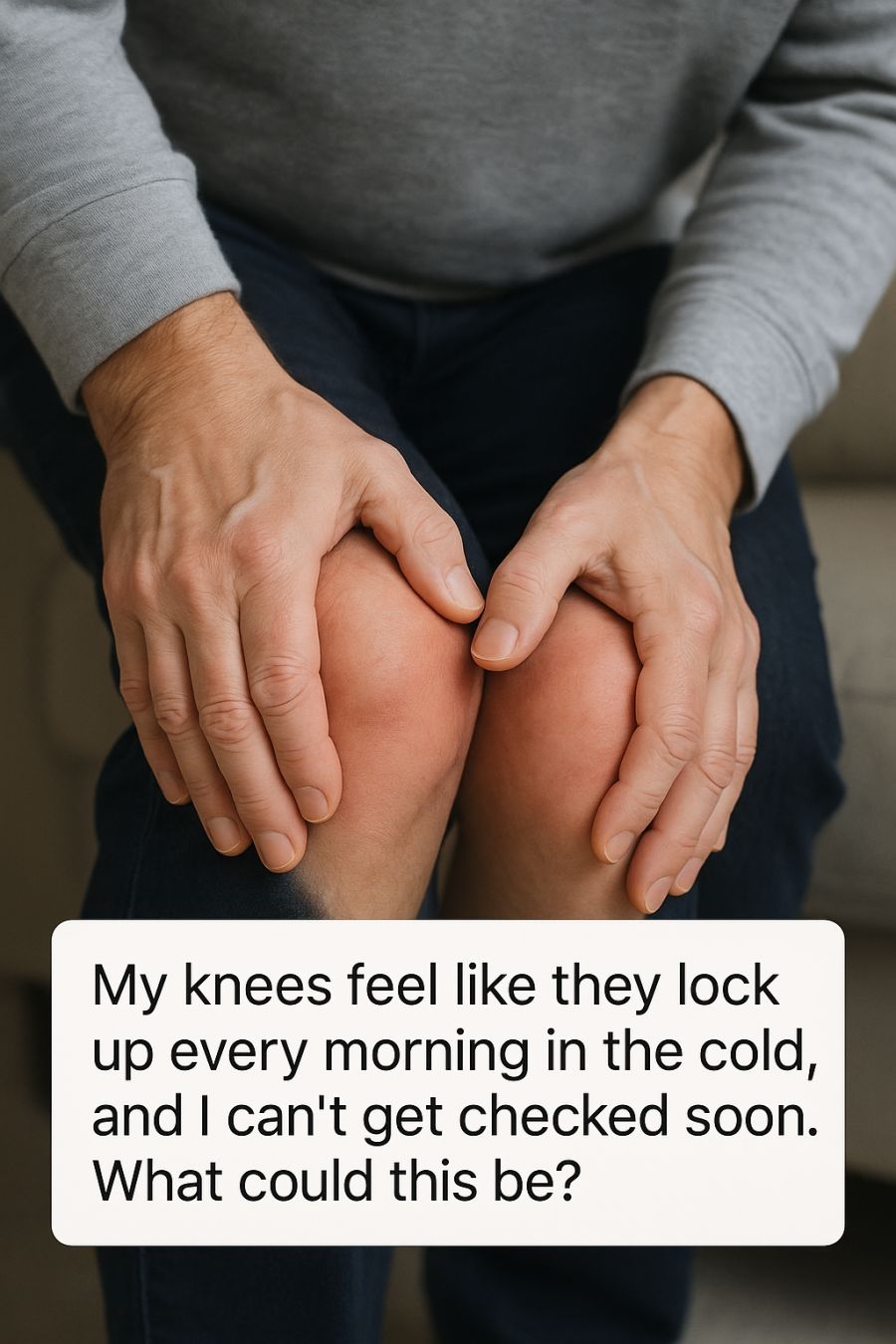
Waking up to a new day should feel refreshing, yet for many, the experience is marred by the sensation of knees that seem to lock or stiffen, especially during colder mornings. This issue can be particularly frustrating for those unable to access immediate medical care, leaving them to ponder over the potential causes and remedies. Understanding the root of this discomfort and exploring ways to alleviate it can bring much-needed relief.
Joint stiffness and the feeling of ‘locking’ are common complaints, particularly among individuals experiencing colder climates. While this condition can affect people of all ages, it’s more prevalent in older adults or those with a history of joint issues. This article delves into the possible reasons behind such symptoms, as well as practical steps to manage them until a healthcare professional can be consulted.
Advertisement
1. Why Cold Mornings Make Knee Stiffness So Noticeable
Cold weather tends to exacerbate joint stiffness due to several factors. When temperatures drop, the body attempts to conserve heat by decreasing blood flow to the extremities, which can result in stiffness. The synovial fluid, which lubricates the joints, can also thicken in colder conditions, making movement more difficult.
Additionally, cold weather can cause muscles to contract and become tense, reducing flexibility and increasing the sensation of tightness around the joints. This is why many people notice their symptoms are worse in the morning, after the body has been inactive for several hours.
2. Osteoarthritis: The Most Common Reason Your Knees Feel Locked
Osteoarthritis is the most prevalent form of arthritis and a leading cause of knee stiffness, particularly in the morning. It occurs when the cartilage that cushions the joints wears down over time, leading to pain, swelling, and stiffness.
Morning stiffness lasting longer than 30 minutes is a hallmark symptom of osteoarthritis, affecting millions of people worldwide. As the condition progresses, the ‘locking’ sensation can become more frequent, especially during colder months when the joints are less lubricated.
3. Is It Really ‘Locking’ Or Just Severe Stiffness?
Many people describe their knees as ‘locking,’ but this term can be misleading. True joint locking involves a temporary inability to move the joint, often due to a mechanical obstruction. However, what many experience is severe stiffness, which can mimic the sensation of locking but usually eases with gentle movement and warming up.
Understanding the difference between true locking and stiffness is important, as it can influence the treatment approach. True locking may indicate a structural problem within the joint that requires medical intervention.
4. How Age, Old Injuries, And Genetics Can Set The Stage
Age is a significant factor in knee stiffness. As we age, the cartilage that cushions our joints gradually wears down, leading to osteoarthritis. Genetic predisposition also plays a role; individuals with a family history of arthritis are more likely to develop the condition.
Past injuries to the knee, such as fractures or ligament tears, can increase the risk of developing osteoarthritis later in life. These injuries can alter the alignment of the knee joint, increasing wear and tear on the cartilage.
5. The Role Of Inflammation And Joint Fluid In Morning Knee Pain
Inflammation is a key player in morning knee pain, especially in conditions like osteoarthritis and rheumatoid arthritis. Overnight, as the body rests, inflammatory processes can increase, leading to stiffness and pain upon waking.
The synovial fluid, which helps lubricate the joints, can become less effective in the presence of inflammation. This reduction in lubrication contributes to the sensation of stiffness and ‘locking’ in the morning.
6. Other Possible Causes: Meniscus Tears, Tendon Issues, And More
Aside from osteoarthritis, other conditions can lead to knee stiffness and locking. Meniscus tears, which occur when the cartilage in the knee is damaged, can cause mechanical locking and require medical evaluation.
Tendonitis, bursitis, and other soft tissue issues can also contribute to knee stiffness. These conditions often result from overuse or strain and can exacerbate in colder weather when muscles are tense.
7. Red-Flag Symptoms That Mean You Shouldn’t Wait For A Checkup
While many causes of knee stiffness can be managed at home, certain symptoms warrant immediate medical attention. These include severe pain, significant swelling, an inability to bear weight on the knee, or if the knee appears deformed.
Additionally, if you experience redness, warmth around the joint, or fever, it could indicate an infection or inflammatory condition that requires prompt medical evaluation.
SEE THE NEXT PAGE
8. Simple At-Home Warm-Up Routines To Loosen ‘Frozen’ Knees
Engaging in gentle warm-up exercises can help alleviate morning knee stiffness. Start with low-impact activities like cycling on a stationary bike or walking to increase blood flow to the knees.
Stretching the muscles around the knee, such as the quadriceps and hamstrings, can also improve flexibility and reduce stiffness. Consider incorporating yoga or tai chi, which emphasize slow, controlled movements and can enhance joint mobility.
9. Viral Knee Hacks From Social Media: What Helps And What To Skip
Social media is rife with home remedies for knee pain, some of which can be beneficial while others may do more harm than good. For instance, applying heat packs can relieve stiffness, but avoid extreme temperature changes that could exacerbate discomfort.
Exercises recommended on platforms like TikTok should be approached with caution, particularly if they involve high-impact movements that could strain the knee further. Always prioritize safety and consult a professional if unsure.
10. Over-The-Counter Options And Safe Self-Care While You Wait
Over-the-counter pain relievers like ibuprofen or acetaminophen can provide temporary relief from knee pain and stiffness. Topical creams containing menthol or capsaicin may also help reduce discomfort.
In addition to medication, consider lifestyle modifications such as wearing knee braces or supportive footwear to reduce strain on the joints. Maintaining a healthy weight can also alleviate some of the pressure on the knees.
11. Lifestyle Tweaks That Can Ease Osteoarthritis Symptoms Long Term
Long-term management of osteoarthritis involves several lifestyle changes. Regular exercise, including strength training and aerobic activities, can improve joint function and reduce pain.
A balanced diet rich in anti-inflammatory foods, such as omega-3 fatty acids found in fish, can also support joint health. Avoiding processed foods and maintaining a healthy weight can further ease symptoms and slow disease progression.
12. When Remote Care, Telehealth, Or Online PT Might Be Enough For Now
In the absence of immediate in-person care, telehealth can be a valuable resource. Virtual consultations with healthcare providers can help diagnose and manage knee issues, offering personalized advice and exercises to perform at home.
Advertisement
Online physical therapy programs can also guide you through exercises designed to improve knee mobility and strength. While not a substitute for in-person care, these resources can be beneficial in managing symptoms until a face-to-face appointment is possible.
