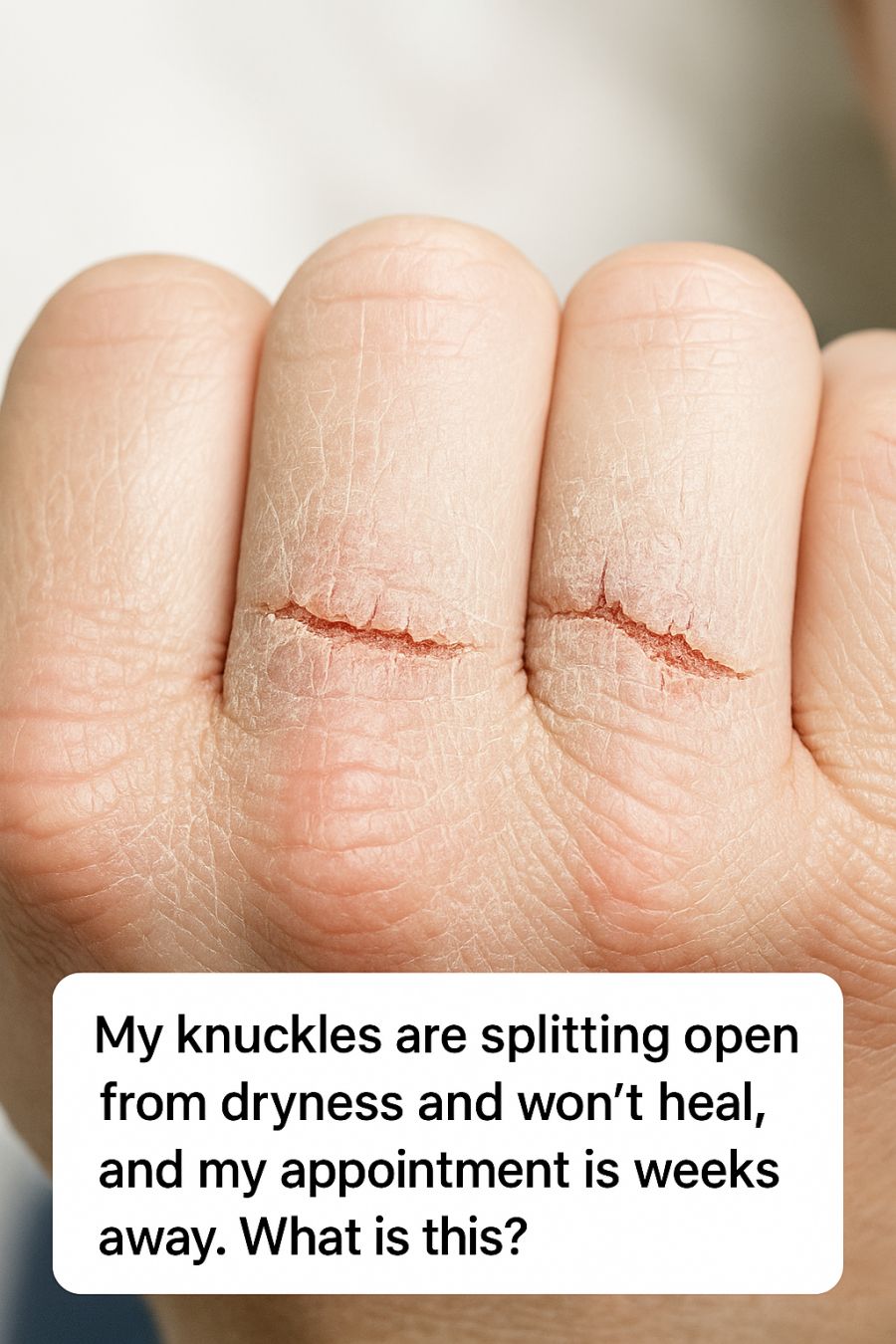
The winter months can be particularly harsh on our skin, especially when it comes to our hands. Many people notice that as the temperature drops, their skin becomes drier and more prone to cracking. This is especially true for areas like the knuckles, which are more exposed to the elements and frequent use. If you find yourself dealing with painful, splitting knuckles that just won’t heal, you’re not alone, and understanding the root cause is the first step towards relief.
While waiting for your dermatologist appointment, it’s important to manage symptoms and prevent further damage. There are several factors that contribute to dry, cracked knuckles, from environmental conditions to personal habits, and even underlying skin conditions. In this article, we’ll explore potential causes, home remedies, and preventive measures to help you manage this uncomfortable condition until you can get professional help.
Advertisement
1. Why Winter Turns Your Knuckles Into a Danger Zone
During winter, humidity levels drop significantly, both indoors and outdoors. This lack of moisture in the air leads to increased water loss from the skin, known as transepidermal water loss (TEWL). Without adequate moisture, the skin’s lipid barrier becomes compromised, leading to dryness and cracking.
Furthermore, cold weather often prompts us to use indoor heating systems. These systems, while keeping us warm, also contribute to drying out the air inside our homes. The combination of cold outdoor air and dry indoor air can make it difficult for our skin to retain moisture, especially on the hands, which are frequently exposed and often washed.
2. The Most Likely Culprit: Winter Hand Dermatitis
Winter hand dermatitis is a common condition characterized by dry, itchy, and cracked skin on the hands. It’s often exacerbated during the colder months due to environmental factors.
This type of dermatitis is usually a form of irritant contact dermatitis. The constant exposure to cold air, frequent hand washing, and harsh soaps can strip away natural oils that protect the skin, leading to inflammation and cracking, particularly on the knuckles where the skin is thinner and more prone to damage.
3. Hand Eczema, Psoriasis, or Just Dry Skin? Key Differences
While dry skin is often manageable with moisturizers, eczema and psoriasis are chronic conditions that may require more intensive treatment. Hand eczema is characterized by inflamed, red, and itchy patches, sometimes with blisters or weeping. Psoriasis, on the other hand, presents with thick, scaly patches that may crack and bleed.
If dryness is accompanied by severe itching, redness, or bleeding, it might be more than just dry skin. In these cases, a dermatologist’s input is crucial to determine the exact condition and appropriate treatment.
4. How Overwashing and Hand Sanitizer Are Wrecking Your Skin Barrier
Frequent hand washing and the use of hand sanitizers, particularly those containing alcohol, can significantly disrupt the skin’s natural barrier. Soap can strip away natural oils, while alcohol-based sanitizers can evaporate quickly, taking moisture with them.
To minimize damage, use lukewarm water instead of hot, and opt for gentle, fragrance-free soaps or cleansers. After washing, apply a moisturizer to help lock in moisture and repair the barrier.
5. Hidden Irritants: Soaps, Detergents, and “Clean” Products Making It Worse
Many common household products contain irritants that can exacerbate skin dryness and cracking. Fragrances, dyes, and certain preservatives in soaps and detergents can irritate sensitive skin, leading to dermatitis.
Even products labeled as ‘natural’ or ‘clean’ can contain essential oils or botanical extracts that some people find irritating. It’s essential to patch test new products and choose those designed for sensitive skin, free of common irritants.
6. When Cracks Won’t Heal: Infection and Other Red-Flag Symptoms
SEE THE NEXT PAGE
If the cracks on your knuckles are not healing, it could be a sign of infection. Look for symptoms like increased redness, swelling, warmth, pus, or a fever, which can indicate bacterial involvement.
In such cases, it’s crucial to seek medical attention as untreated infections can lead to more serious complications. Antibiotics or antifungal treatments may be necessary to resolve an infection and allow the skin to heal properly.
7. Drugstore Fixes That Actually Help Severely Cracked Knuckles
Several over-the-counter products can help soothe and repair cracked knuckles. Look for thick, occlusive ointments or creams containing ingredients like petrolatum, ceramides, or hyaluronic acid, which help trap moisture and repair the skin barrier.
Products like Aquaphor Healing Ointment or Eucerin Advanced Repair Cream are popular choices. Applying these after hand washing or before bed can significantly improve moisture retention and promote healing.
8. Viral Hacks on TikTok and Instagram: Which Ones Work—and Which to Skip
Social media is full of skincare hacks, but not all are effective or safe. Some popular remedies, like using coconut oil or honey, can provide temporary moisture and relief. However, they might not have the occlusive properties needed for deep healing.
Be wary of hacks involving harsh exfoliation or the use of non-skincare ingredients, as these can worsen irritation. Always research and, if possible, consult a professional before trying a new treatment.
9. Nighttime Repair Routines: Gloves, Ointments, and Barrier “Slugging” for Hands
Nighttime is an excellent opportunity for skin repair. After applying a thick layer of ointment, consider wearing cotton gloves to enhance absorption and prevent moisture loss overnight.
Barrier ‘slugging,’ a technique where a heavy layer of ointment is applied to lock in moisture, can be particularly effective for hands. This method creates a protective layer that helps heal cracks and prevent further damage.
10. Everyday Habits That Quietly Sabotage Healing
Certain habits can hinder healing without you realizing it. For instance, using hot water for hand washing or taking long showers can strip the skin of natural oils.
Additionally, neglecting to moisturize after washing, wearing gloves during cold weather, or using harsh cleaning products without protection can prolong the healing process. Being mindful of these habits and adjusting your routine can make a significant difference.
11. When to Worry It’s an Autoimmune or Systemic Condition
Persistent, severe skin symptoms that do not respond to typical treatments could indicate an underlying autoimmune or systemic condition. Conditions like lupus or scleroderma can affect the skin, causing similar symptoms.
If you experience additional symptoms such as joint pain, fatigue, or systemic issues, it’s important to discuss these with a healthcare provider to rule out or diagnose any underlying conditions.
12. How to Talk to Your Dermatologist When the Appointment Finally Comes
When you finally see your dermatologist, come prepared with a detailed history of your symptoms, including when they began, any known triggers, and treatments you’ve tried. Photos of your skin from different stages can be helpful.
Be honest about your skincare routine, dietary habits, and any new products or changes in lifestyle. This information can help your dermatologist provide a more accurate diagnosis and tailored treatment plan.
13. Long-Term Prevention So This Winter Hand Nightmare Doesn’t Return
To prevent future episodes of dry, cracked knuckles, establish a consistent skincare routine. Moisturize regularly, especially after washing hands and before going to bed. Use gentle, fragrance-free products and avoid known irritants.
Advertisement
Protect your hands with gloves in harsh weather or when handling cleaning products. Consider using a humidifier in your home to maintain optimal humidity levels during the winter months. With these preventive steps, you can maintain healthy skin year-round and avoid the discomfort of winter hand dermatitis.
