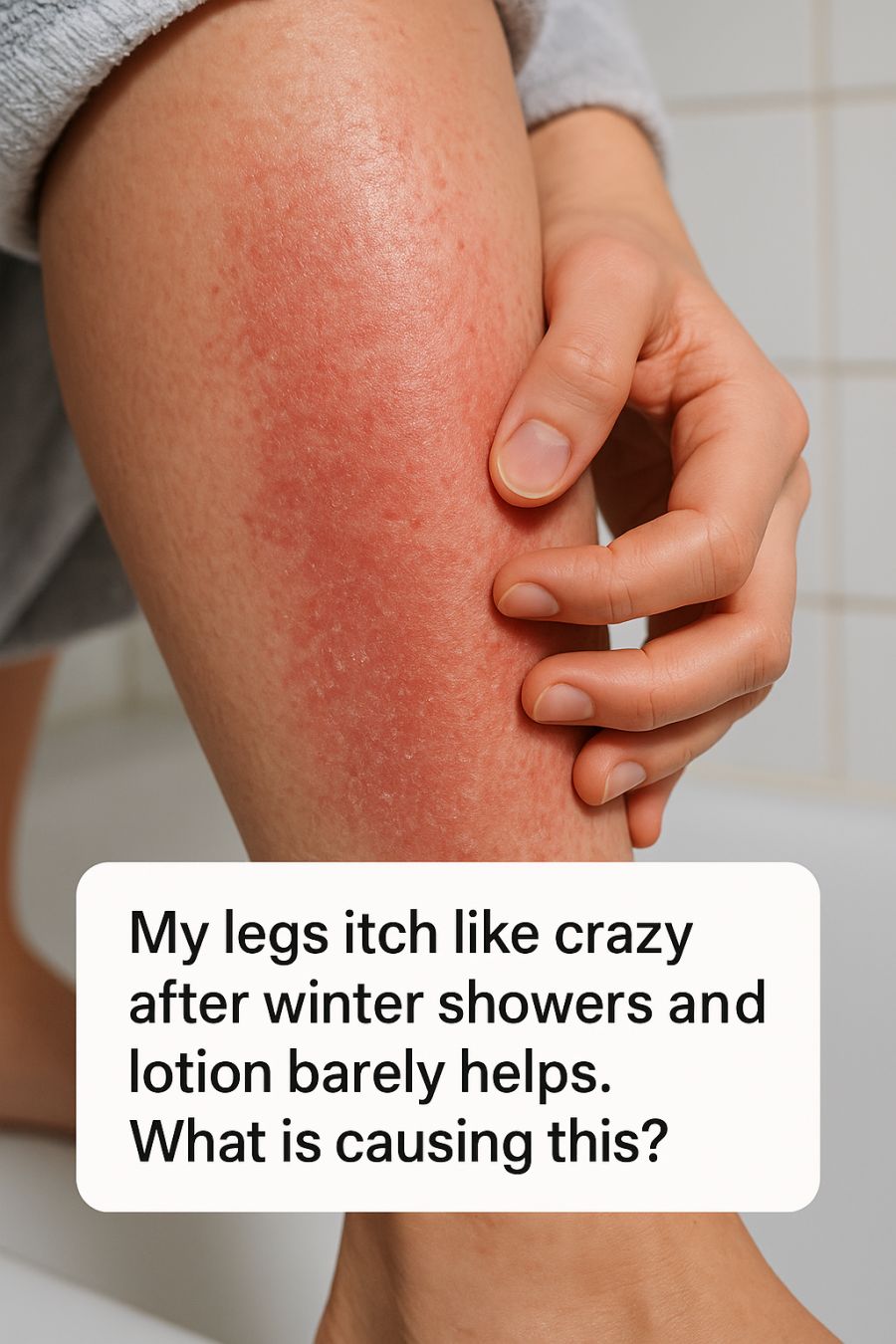
As the winter months set in, many people find themselves grappling with the uncomfortable sensation of itchy skin, particularly after a shower. This can be especially frustrating when lotions and moisturizers seem to offer little relief. Understanding the causes of this post-shower itch can help in finding effective solutions and improving skin comfort during the colder season.
Winter weather brings with it a host of skin-related challenges. The combination of cold outdoor air and heated indoor environments can wreak havoc on the skin’s natural moisture levels. When you add in the daily ritual of showering, it’s no surprise that many people experience increased itching. This article explores the various factors contributing to winter shower itchiness and offers practical advice for alleviating this common discomfort.
Advertisement
1. Why Winter Makes Post-Shower Itch So Much Worse
Winter air is notoriously dry, with relative humidity levels often dropping below 30%. This lack of moisture in the air can lead to a decrease in the skin’s hydration levels, making it more prone to dryness and irritation. As the outermost layer of the skin, the stratum corneum, becomes dehydrated, it can lead to a compromised skin barrier and increased sensitivity.
Additionally, indoor heating systems exacerbate the problem by further reducing humidity levels. Central heating can strip the air of moisture, leading to an environment that draws water out of the skin. This constant battle against dehydration is a primary reason why the skin feels itchier after winter showers.
2. How Hot Showers Strip Your Skin’s Protective Barrier
Hot showers, although comforting during the cold months, can be detrimental to the skin’s health. Water temperatures above 37°C (98.6°F) can strip away the natural oils that form the skin’s protective barrier. These oils are essential for locking in moisture and protecting the skin from environmental irritants.
The heat causes the pores to open, allowing more natural oils to be washed away. Over time, this can lead to a weakened skin barrier, increased transepidermal water loss, and a heightened risk of dryness, cracking, and itching.
3. The Hidden Role of Hard Water and Harsh Cleansers
Hard water, rich in minerals like calcium and magnesium, can be harsh on the skin. These minerals can leave a residue on the skin that disrupts its natural pH balance and strips away essential oils. This can exacerbate dryness and contribute to post-shower itching.
Moreover, many soaps and body washes contain sulfates and other harsh ingredients that can further dry out the skin. These cleansers can strip away natural oils and disrupt the skin’s acid mantle, leading to increased sensitivity and irritation.
4. Asteatotic Eczema: The Dry-Skin Rash Behind the Itch
Asteatotic eczema, also known as winter itch, is a common condition during the colder months. It is characterized by dry, cracked, and itchy skin, often appearing as a fine, web-like pattern on the legs and arms. This form of eczema is exacerbated by the low humidity and harsh conditions of winter.
SEE THE NEXT PAGE
The condition occurs when the skin’s barrier is compromised, leading to an increased loss of moisture and a heightened inflammatory response. Addressing asteatotic eczema involves restoring moisture to the skin and protecting it from further irritation.
5. Nerve Overactivity: When Your Skin’s Alarm System Misfires
Sometimes, the itching sensation is not solely due to dryness but rather a result of nerve overactivity. When the skin becomes overly dry, nerve endings can become hypersensitive, sending itch signals to the brain even in the absence of visible irritation.
This misfiring of the skin’s alarm system can be frustrating and challenging to manage. It highlights the importance of maintaining adequate skin hydration and using soothing products that can calm irritated nerve endings.
6. Histamine Release and ‘Invisible’ Inflammation
Histamine, a compound released by the body’s immune system, plays a role in allergic reactions and can contribute to the sensation of itching. In some cases, dry, irritated skin can lead to a localized release of histamine, causing itchiness without visible inflammation.
Invisible inflammation refers to the subtle, underlying inflammation that can occur when the skin’s barrier is compromised. This can lead to a cycle of itching and further irritation, as scratching can exacerbate the problem by causing micro-tears in the skin’s surface.
7. Shaving, Scrubbing, and Other Irritating Shower Habits
Certain shower habits can inadvertently contribute to post-shower itching. Shaving, for example, can irritate the skin and strip away its natural oils, leading to increased dryness and sensitivity.
Similarly, aggressive scrubbing with loofahs or exfoliating brushes can damage the skin’s surface, leading to micro-abrasions and increased itchiness. Opting for gentle cleansing techniques and avoiding over-exfoliation can help minimize irritation.
8. The Viral ‘Scalding Shower Then Thick Lotion’ Hack—And Why It Backfires
A popular trend involves taking a hot shower followed by the application of a thick moisturizer. While this may sound effective, it can actually backfire. The hot water strips away natural oils, and if the lotion is applied to already compromised skin, it can lead to further irritation.
Thick lotions may not penetrate well if the skin is too dry and can create a barrier that traps heat, exacerbating inflammation and itching. It is crucial to allow the skin to cool down and use products suitable for sensitive skin.
9. The Right Way to Moisturize: Damp Skin, Gentle Products, Quick Timing
To effectively combat post-shower itch, it’s important to apply moisturizer to damp skin. This helps trap moisture and enhances the lotion’s effectiveness. Ideally, moisturizing should occur within three minutes of showering to maximize hydration.
Choosing gentle, fragrance-free products that are rich in emollients and humectants can also help. Ingredients like glycerin, hyaluronic acid, and ceramides work well to restore the skin’s barrier and lock in moisture.
10. When It’s Not Just Dryness: Allergies, Medications, and Underlying Conditions
SEE THE NEXT PAGE
While dryness is a common culprit, other factors such as allergies or medications can contribute to post-shower itching. Some people may be allergic to ingredients in their personal care products, leading to contact dermatitis and itchiness.
Certain medications, like diuretics and statins, can also cause skin dryness and itchiness as a side effect. Additionally, underlying conditions such as thyroid disorders or diabetes can impact skin health, necessitating a comprehensive approach to treatment.
11. Red-Flag Symptoms That Mean You Should See a Dermatologist
Persistent or severe itching, accompanied by redness, swelling, or bleeding, should prompt a visit to a dermatologist. These symptoms may indicate a more serious skin condition that requires professional evaluation and treatment.
Additionally, if over-the-counter remedies and lifestyle adjustments fail to provide relief, it is advisable to seek medical advice to rule out underlying health issues.
12. Simple Daily Tweaks That Can Calm the Post-Shower Itch for Good
Making small changes to your daily routine can significantly reduce post-shower itching. Lowering the water temperature during showers and limiting shower time to 5-10 minutes can help preserve skin moisture.
Advertisement
Investing in a humidifier for your home can also combat the drying effects of indoor heating. Wearing loose, breathable clothing and opting for natural fibers can minimize irritation and allow the skin to breathe, promoting overall skin health.
