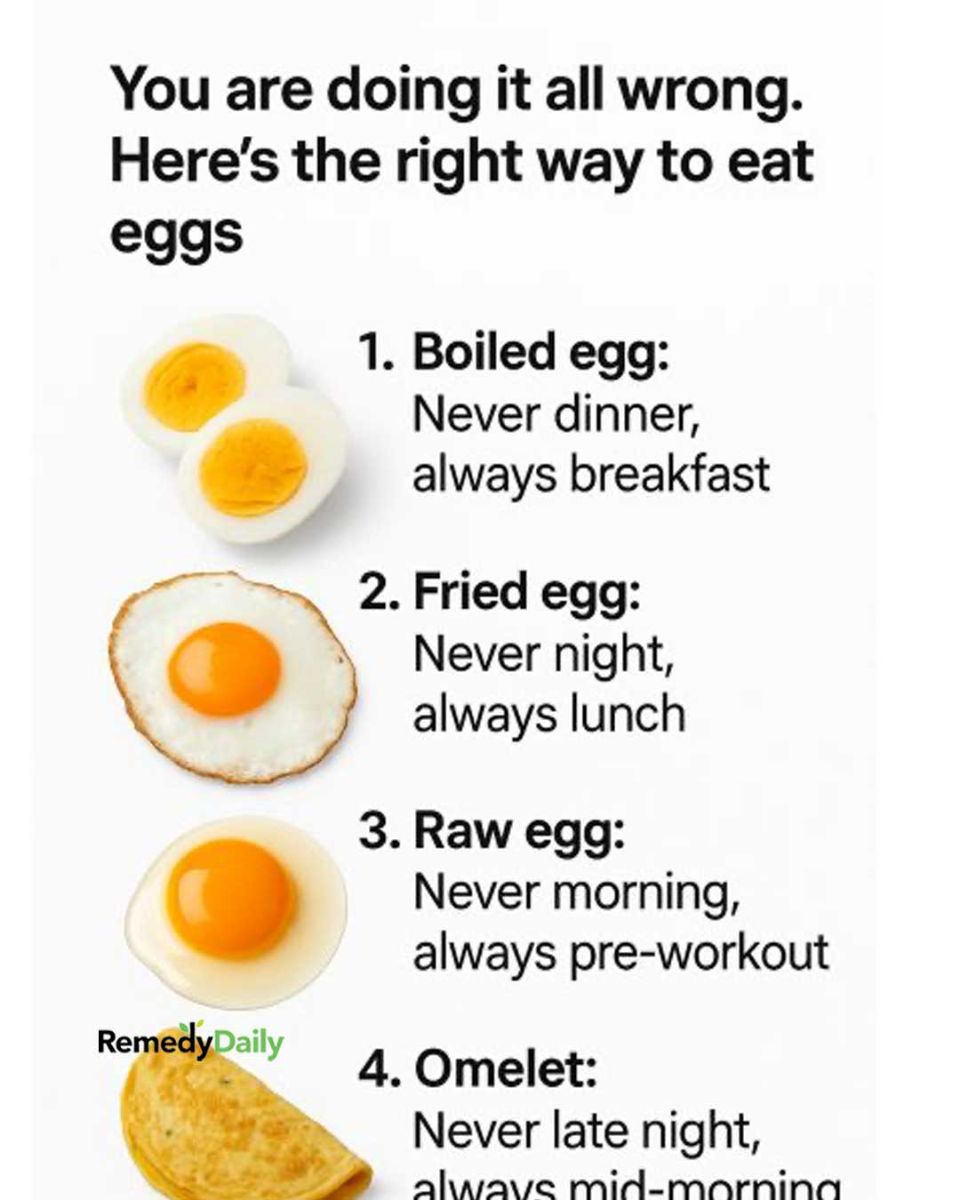
Eggs are one of the most versatile and nutritionally robust foods available, yet many of us are missing out on their full potential due to common misconceptions and outdated cooking practices. Whether you’re looking to boost your morning energy or round out your evening meal, understanding the nuances of egg preparation can transform your culinary experience.
In this article, we’ll explore the optimal ways to enjoy eggs at any time of day, from the classic boiled egg to the sophisticated poached variety. By delving into techniques and nutritional benefits, we’ll show you how to elevate your egg game and ensure you’re getting the most out of this kitchen staple.
Advertisement
1. The Breakfast Staple: Why Boiled Eggs Belong in the Morning
Boiled eggs are a quintessential breakfast choice, providing an excellent source of protein and essential nutrients to kickstart your day. A large boiled egg contains about 6 grams of protein and is rich in vitamins like B12 and D, which are crucial for energy and bone health.
The key to a perfect boiled egg lies in the timing: for a soft-boiled egg with a runny yolk, boil for 6-7 minutes. For a firm yolk, extend the time to 9-12 minutes. Pair your boiled eggs with whole grain toast and a side of fresh fruit for a balanced morning meal that keeps you satiated until lunch.
2. Elevate Your Lunch with Fried Eggs: Timing is Everything
Fried eggs can transform a simple lunch into a gourmet experience, but achieving the perfect fry requires precise timing. Heat a non-stick pan over medium heat, add a teaspoon of olive oil or butter, and crack the egg into the pan. For a crispy edge and a soft yolk, cook for about 2-3 minutes. Flip for an additional minute if you prefer it over-easy.
Pair fried eggs with a fresh salad or atop a bowl of quinoa or rice for a protein-packed lunch. The rich flavor of the yolk enhances the dish while providing essential fats and nutrients.
3. The Pre-Workout Power of Raw Eggs: A Nutritional Boost
Consuming raw eggs before a workout might sound unconventional, but they offer a quick and efficient source of protein and amino acids. One large raw egg contains approximately 72 calories and 6 grams of protein, which can help in muscle repair and energy provision. However, it’s important to ensure the eggs are fresh and sourced from a reputable supplier to minimize the risk of salmonella.
For those wary of raw eggs, blending them into a smoothie with fruits and yogurt can mask the taste while still delivering the nutritional punch needed for an effective workout session.
4. The Perfect Mid-Morning Omelet: Fueling Your Day Right
Omelets are a versatile and satisfying option for a mid-morning snack. Start by whisking two eggs with a pinch of salt and pepper. Pour into a preheated, lightly oiled non-stick pan. As the edges begin to set, add fillings such as spinach, tomatoes, and cheese.
Cook for about 5 minutes, or until the eggs are fully set, then fold the omelet in half. Omelets provide not only protein but also a variety of vitamins and minerals from the added vegetables, making them an excellent choice to sustain energy levels until lunch.
5. Mastering the Art of Poaching: A Delicate Balance
Poached eggs are a delicacy that requires precision and patience. To achieve the perfect poach, bring a pot of water to a gentle simmer and add a teaspoon of vinegar to help the egg white coagulate. Crack an egg into a small bowl and gently slide it into the water.
SEE THE NEXT PAGE
Allow the egg to cook for 3-4 minutes for a runny yolk, or 5-6 minutes for a firmer consistency. Remove with a slotted spoon and serve on toast or a salad. The delicate nature of poached eggs makes them a sophisticated addition to any meal.
6. Scrambled Eggs: Techniques for Fluffy Perfection
The secret to fluffy scrambled eggs is low heat and slow cooking. Beat three eggs with a dash of cream or milk, and season with salt and pepper. Heat a non-stick pan on low and add butter. Pour in the eggs and stir gently with a spatula.
Continue to cook slowly, stirring occasionally until the eggs are just set but still creamy. Remove from heat immediately to prevent overcooking. Serve with herbs or cheese for added flavor. The result is a soft, pillowy texture that highlights the eggs’ natural richness.
7. Sunny Side Up: Achieving the Ideal Yolk Consistency
Sunny side up eggs are a breakfast classic, celebrated for their vibrant, intact yolks. Start by heating a small amount of oil or butter in a non-stick pan over medium-low heat. Crack the egg directly into the pan, and cook until the whites are just set but the yolk remains bright and runny, about 3-4 minutes.
Covering the pan with a lid for a minute can help set the whites without overcooking the yolk. Serve on top of avocado toast or alongside roasted vegetables for a visually appealing and nutritionally balanced meal.
8. Over Easy and Over Medium: Understanding the Differences
The terms ‘over easy’ and ‘over medium’ refer to the doneness of the yolk once the egg is flipped. For over easy, cook the egg sunny side up first, then flip and cook for an additional 30 seconds, leaving the yolk runny. For over medium, extend the second side’s cooking time to about 1 minute, resulting in a thicker yolk.
These variations offer flexibility to suit different taste preferences and are excellent on sandwiches or burgers. Understanding these subtle differences can elevate your egg-cooking skills.
9. The Global Influence: Regional Twists on Egg Preparation
Eggs are a staple in cuisines worldwide, each culture adding its unique twist. In Japan, tamagoyaki is a sweet rolled omelet made with soy sauce and sugar, while in Mexico, huevos rancheros feature fried eggs served on tortillas with salsa.
In India, masala eggs are scrambled with spices like turmeric and cumin, offering a flavorful breakfast or snack. Exploring these regional variations can inspire creativity in your kitchen and introduce new flavors to your palate.
10. Health Considerations: The Right Egg for Your Diet
Choosing the right type of egg can impact your health goals. Free-range and organic eggs are often higher in omega-3 fatty acids and have a better nutrient profile due to the hens’ varied diets.
For those watching cholesterol, it’s worth noting that dietary cholesterol in eggs has minimal impact on blood cholesterol levels for most people. However, individuals with specific health concerns should consult with a healthcare professional to tailor their egg consumption accordingly.
11. Debunking Egg Myths: What Science Really Says
For years, eggs were vilified for their cholesterol content, but recent studies have shown that eggs can be part of a healthy diet without significantly affecting heart health. Research indicates that up to one egg per day can be safely consumed by most people, making them a nutritious component of a balanced diet.
Advertisement
Additionally, concerns about the risk of salmonella can be mitigated by proper handling and cooking practices. By understanding the science, you can enjoy eggs with confidence, knowing they provide valuable nutrients and energy.
